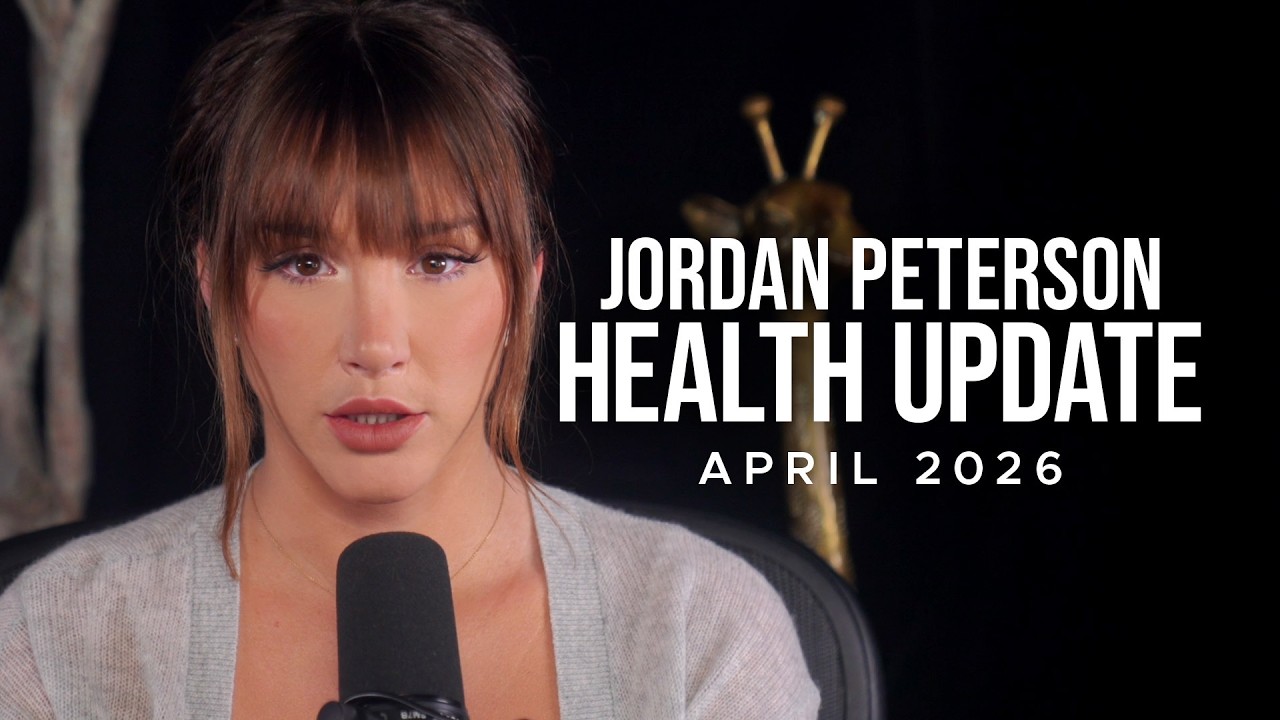
This video update discusses Jordan Peterson’s ongoing health struggles, particularly a severe neurological injury called akathisia, which he initially developed due to psychiatric medication use. The speaker, who is his daughter and also experienced similar but less severe symptoms during antidepressant withdrawal, explains that akathisia causes intolerable physical and mental discomfort, likened to crawling out of one’s skin. Despite Jordan Peterson having stopped psychiatric medications in 2020, stress factors—including family losses, moving, and mold exposure—likely triggered a resurgence of his symptoms. The condition was misdiagnosed multiple times, adding to the family’s distress.
The speaker emphasizes the widespread nature of psych medication injuries, arguing that these drugs cause mitochondrial dysfunction manifesting as neurological damage. She calls for greater awareness, noting that approximately one in six Americans use such medications long-term, often without understanding the risk of dependence or injury. Withdrawal symptoms are often mistaken for a return of original mental health problems, leading to additional prescriptions rather than addressing the underlying injury. She stresses that psychiatric drugs can cause lasting sensitivity to foods, chemicals, light, sound, and stress, which profoundly impacts quality of life.
Drawing from personal experience, the speaker describes the harrowing symptoms she faced during antidepressant withdrawal, including profound anxiety, sensory hypersensitivity, severe insomnia, and cognitive disturbances. She highlights that traditional tapering methods are inadequate and unsafe, advocating for very gradual dose reductions over years to avoid irreversible damage. Both she and her father had to adopt restrictive diets—especially an all-meat diet—to support recovery of mitochondrial health and reduce symptoms. The video critiques the medical community’s lack of training and awareness about these injuries as well as pharmaceutical companies’ downplaying of long-term risks.
The update also touches on related conditions such as chronic inflammatory response syndrome (CIRS) from mold exposure, which exacerbates mitochondrial dysfunction and neurological symptoms. The speaker links mitochondrial health to a variety of chronic and neurological diseases, and presents ketogenic and carnivore diets as promising therapeutic approaches that provide alternative fuel sources for damaged mitochondria. She explains that while psych meds can initially alleviate severe depression and anxiety, they often cause long-term harm that outlasts their use, leaving patients with chronic and debilitating injuries.
In conclusion, the family is suffering deeply but remains hopeful for recovery through careful management, lifestyle changes, and time. The speaker launched a website, prescribed-harm.com, to increase public knowledge and provide support for others affected. She calls for recognition of psych medication injuries as a serious public health issue and demands better education for doctors and patients to prevent unnecessary harm. Despite ongoing challenges, there is optimism that with proper care and awareness, people can heal from these complex neurological injuries.