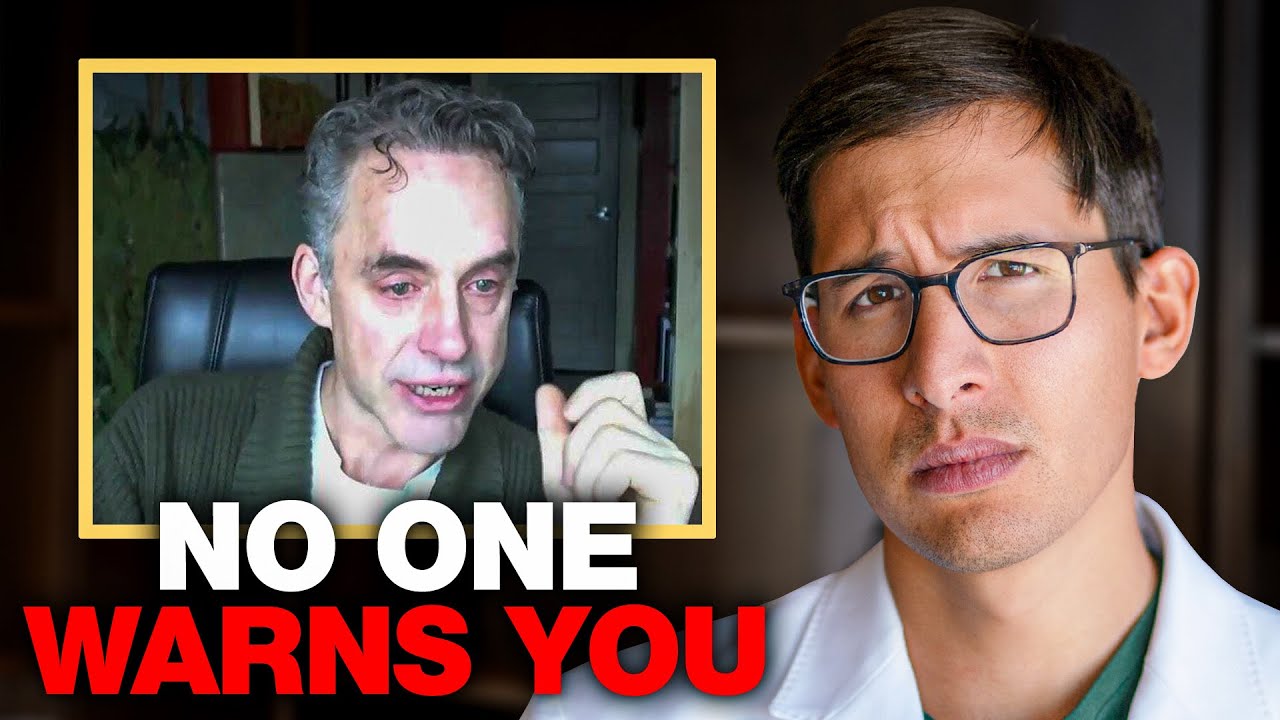
The video discusses Dr. Jordan Peterson’s current health struggles, speculating that his severe condition may be linked to a reaction to benzodiazepines he was prescribed in 2020. Dr. Yseph, a psychiatrist and former FDA expert, explains that benzodiazepines like Xanax, Clonopin, and Valium are commonly prescribed for anxiety and depression but can cause dependence and long-term neurotoxicity in some users. These drugs are widely used, especially among people over 50, and their long-term use can lead to serious adverse effects, including neurological damage.
Peterson’s story is detailed through interviews, highlighting his initial stress-related reasons for taking benzodiazepines, and how he trusted their safety based on prior experience with psychiatric medication. Over several years of use, especially during a time of personal and professional crises, he developed symptoms indicative of benzodiazepine-induced neurological dysfunction (bind), a condition characterized by neurotoxic damage to neurons. As his health deteriorated, attempts to taper off the drugs triggered severe withdrawal symptoms like athesia, electrical shocks, brain fog, and extreme anxiety, often mistaken by doctors for treatment-resistant depression.
The video emphasizes that the neurological injury from long-term benzodiazepine use resembles traumatic brain injury, with lasting effects that may persist for 18 months to two years or more. Peterson’s recovery process involved intense treatment, including prolonged sedation and detox in clinics abroad, because conventional methods often worsen the condition or are ineffective in such cases. His experience illustrates the danger of rapid withdrawal, which can cause further neurological damage, and highlights the importance of gradual tapering and cautious management.
Further updates reveal that Peterson’s health remained fragile, with new complications allegedly stemming from mold exposure and infections, potentially triggering renewed neurological reactions due to his already sensitized nervous system. His family reports that he has been severely ill, including ICU stays and systemic issues, yet they remain hopeful for recovery. This ongoing saga underscores how fragile neurological health is after benzo injuries and how environmental factors or infections can exacerbate these conditions, making management extremely complex.
The overarching message warns against long-term use of benzodiazepines due to the risk of bind and protracted withdrawal syndrome, which currently lacks accurate predictive tests. Many patients suffer profound, persistent neurological damage that can be mistaken for other conditions, leading to inadequate treatment. Dr. Yseph urges that these medications should only be used short-term, and all non-pharmacological interventions should be prioritized for managing anxiety and insomnia, emphasizing cautious prescribing and awareness of the potential for severe, long-lasting harm.